
- Your cart is empty
- Continue Shopping

IGF-1 LR3 Research Guide for Advanced Peptide Studies
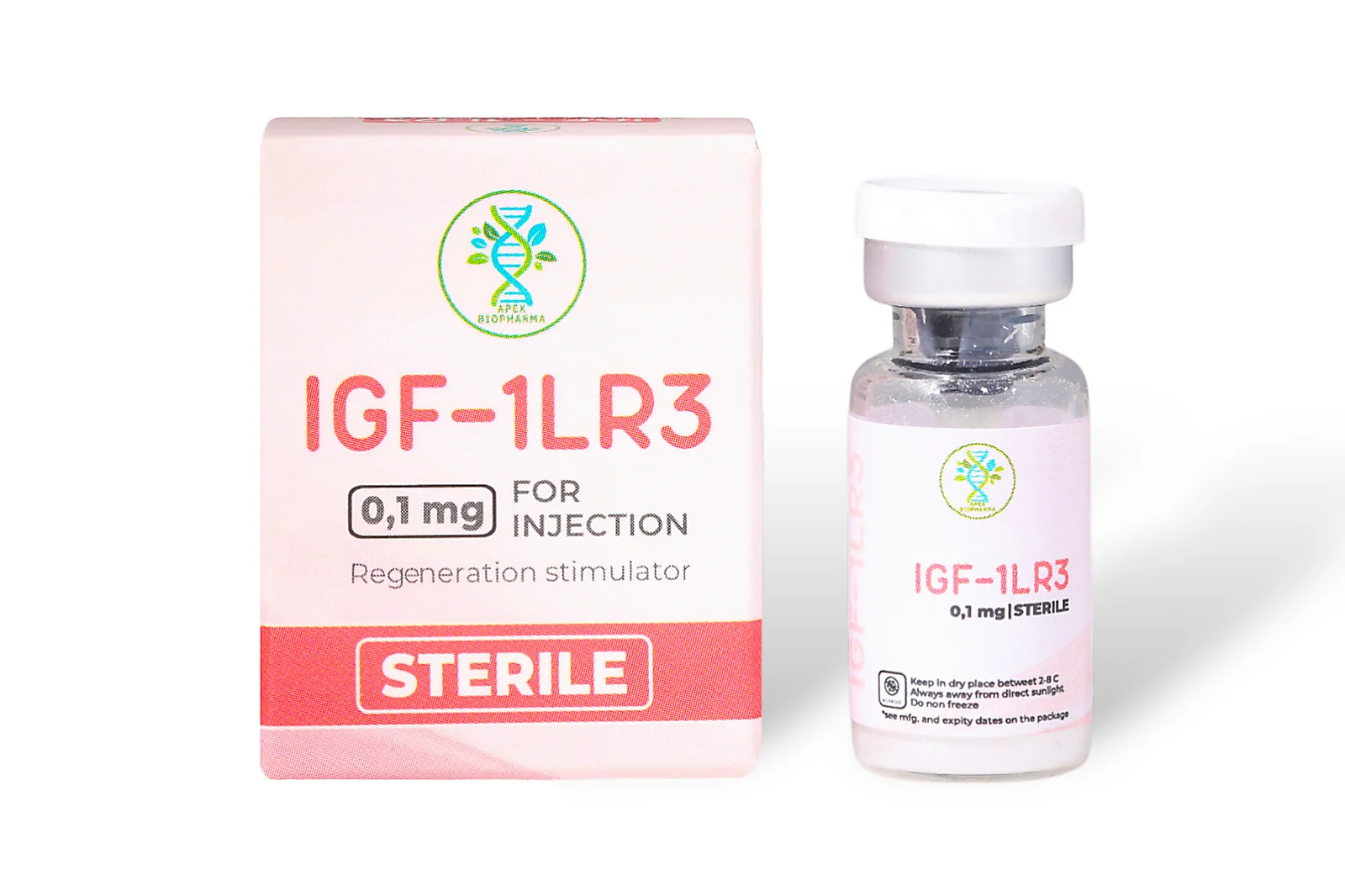
Introduction
IGF-1 LR3 has become one of the most discussed compounds in modern peptide research. As interest in Research peptides, Performance peptides, and Growth factor peptides continues to expand, researchers are increasingly exploring the unique characteristics that distinguish this advanced peptide from traditional growth factor compounds.
Known scientifically as Long R3 IGF-1, this modified version of insulin-like growth factor-1 was developed to provide extended activity and enhanced receptor interaction in laboratory settings. Consequently, it has become a prominent subject in IGF-1 LR3 research, Advanced peptide research, and various scientific investigations involving cellular growth, protein synthesis, and recovery mechanisms.
Today, scientists, laboratories, and peptide enthusiasts frequently search for reliable information regarding IGF-1 LR3 peptide, its biological properties, and its potential applications within controlled research environments. As a result, understanding the science behind this compound has become increasingly important for anyone involved in Peptide science and Research compounds.
What Is IGF-1 LR3?
Scientific Overview
IGF-1 LR3 is a synthetic analog of naturally occurring insulin-like growth factor-1 (IGF-1). It contains an additional thirteen amino acids at its N-terminal end and a substitution at the third amino acid position, making it structurally different from standard IGF-1.
These modifications were specifically designed to increase biological activity and extend the peptide’s half-life during laboratory evaluation. Because of these characteristics, Long R3 IGF-1 has become one of the most studied Growth factor peptides in scientific literature.
Researchers often include IGF-1 LR3 peptide research within broader investigations involving:
- Cellular development
- Protein synthesis pathways
- Recovery mechanisms
- Metabolic signaling
- Tissue regeneration studies
- Growth factor interactions
Structure and Characteristics
The enhanced molecular structure of IGF-1 LR3 peptide provides several distinct characteristics that make it attractive for scientific investigation.
Key features include:
- Extended half-life compared to standard IGF-1.
- Increased resistance to binding proteins.
- Enhanced receptor interaction potential.
- Improved research stability.
- Broad applicability in Peptide studies.
These qualities have contributed significantly to the growing demand for Research-grade peptides and High-purity peptides among laboratories worldwide.
How IGF-1 LR3 Works
Mechanism of Action
Understanding how IGF-1 LR3 functions begins with examining its interaction with insulin-like growth factor receptors.
When introduced in laboratory environments, Long R3 IGF-1 interacts with specific receptors associated with cellular growth and metabolic signaling pathways. Researchers investigate these interactions to better understand cellular adaptation, protein production, and tissue development processes.
The extended activity profile of IGF-1 LR3 allows researchers to observe biological responses over longer periods compared to conventional IGF-1 molecules.
Interaction with IGF Receptors
One of the most important aspects of IGF-1 LR3 research involves receptor binding efficiency.
Studies suggest that the modified structure of IGF-1 LR3 peptide may reduce interaction with certain binding proteins while maintaining strong receptor affinity. Consequently, researchers often utilize this compound when examining:
- Cellular signaling pathways
- Anabolic response mechanisms
- Protein synthesis activity
- Recovery-related biological processes
- Growth factor receptor dynamics
Because of these characteristics, IGF-1 LR3 remains a leading topic in modern Advanced peptide research.
Key Benefits of IGF-1 LR3
Muscle Growth Potential
Among the most frequently discussed IGF-1 LR3 benefits is its association with muscle growth research.
Scientists investigating IGF-1 LR3 muscle growth often focus on how growth factors influence protein synthesis and cellular development. While research remains ongoing, the peptide continues to be a valuable tool for studying anabolic pathways and tissue adaptation.
For this reason, IGF-1 LR3 bodybuilding discussions often reference the peptide’s role within scientific investigations related to muscle development.
Recovery Support
Another significant area of interest involves recovery-related mechanisms.
Researchers evaluating Muscle recovery peptides frequently include IGF-1 LR3 peptide in studies examining cellular repair, regeneration, and recovery signaling pathways.
This ongoing research contributes valuable information to the broader field of Peptide science and recovery-focused biological studies.
Cellular Research Applications
The ability of Long R3 IGF-1 to influence cellular pathways makes it highly relevant in laboratory investigations.
Researchers continue exploring its potential role in:
- Cell proliferation studies
- Regenerative biology
- Growth factor signaling
- Cellular communication pathways
- Tissue development models
As a result, IGF-1 LR3 research remains an important area within modern biotechnology.
Protein Synthesis Research
Protein synthesis represents another major area of interest.
Researchers examining anabolic pathways frequently utilize Research compounds such as IGF-1 LR3 to better understand how cells regulate protein production and adaptation.
These findings continue to support advancements in Peptide studies, Laboratory peptides, and broader scientific investigations involving growth factors.
IGF-1 LR3 in Research and Performance Studies
Interest in Performance peptides continues to grow as scientists seek deeper insights into human physiology and cellular adaptation.
Within research environments, IGF-1 LR3 peptide research often contributes to investigations involving:
- Recovery mechanisms
- Metabolic activity
- Cellular signaling
- Growth factor interactions
- Tissue regeneration pathways
Furthermore, the expanding market for Premium peptides, Peptide products, and Peptide solutions has increased demand for reliable, high-quality research materials.
Researchers searching for IGF-1 LR3 for sale frequently prioritize product purity, manufacturing standards, and supplier transparency to ensure consistent research outcomes.
