
- Your cart is empty
- Continue Shopping

Peptides For Research Purposes

Peptides For Research Purposes: A Tiny Molecule, Big Impact
Peptides are the unsung workhorses of modern science. These short chains of amino acids sit at the intersection of biology, chemistry, and medicine, enabling researchers to probe, manipulate, and understand life at a granular level. When scientists say “Peptides For Research Purposes,” they’re signaling a versatile toolkit that drives discovery—from basic biology to drug development. Best Place To Buy Peptides Online
Why peptides matter in research
– Precision and versatility: Peptides can be designed to mimic natural signals, block receptors, or guide immune responses. Their modular nature means researchers can tailor length, composition, and function with relative ease.
– High relevance, lower complexity: Compared to full proteins, peptides are smaller and often easier to synthesize, purify, and study. This makes them ideal for hypothesis testing, assay development, and mechanism exploration.
– Diagnostic and therapeutic potential: Peptides play roles in diagnostic assays, imaging, and as therapeutic candidates. For researchers, this means practical endpoints and translational pathways. Buy Peptides Online
Picking the right peptide for your project
– Define the role: Is your peptide an agonist, antagonist, ligand, probe, or reporter? Clarity here guides design and controls.
– Consider stability: Some peptides are rapidly degraded in biological fluids. Choose modifications or protective formulations if stability is critical.
– Think about specificity: Off-target effects can confound results. Select sequences with demonstrated selectivity or plan rigorous controls.
– Synthesis vs. discovery: Do you need a custom peptide from a stable library, or do you want to screen many candidates for a particular activity? Your approach shapes costs and timelines. Buy dermorphin peptide For Sale
Ethical and regulatory considerations
– Compliance first: Work within your institution’s biosafety and ethics guidelines. Ensure proper approvals for any experiments involving biological materials.
– Quality matters: Use reputable suppliers, verify purity, and document lot numbers. Poor quality peptides can derail studies and waste resources.
– Responsible reporting: Transparent methods and results, including negative data and limitations, strengthen the scientific record. Buy chrp 2 peptide For Sale
Practical tips for working with peptides For Research Purposes
– Start with a robust plan: Outline the hypothesis, controls, expected outcomes, and readouts. A clear plan reduces wasted material and time.
– Validate with orthogonal assays: Confirm findings with at least two independent methods or readouts to build confidence.
– Optimize delivery: Depending on your system, you may need to consider solubility enhancers, carriers, or specific buffers to maintain activity.
– Monitor degradation: Include protease inhibitors if needed and time-course studies to catch possible degradation artifacts.
– Document rigorously: Record lot numbers, storage conditions, and handling steps. Reproducibility hinges on meticulous records. Buy cjc 1295 with dac For Sale
Peptide formats you’ll encounter
– Short linear peptides: Commonly used as ligands, probes, or epitopes. Simple and cost-effective.
– Modified peptides: Incorporate D-amino acids, cyclization, lipidation, or PEGylation to improve stability, affinity, or pharmacokinetics.
– Peptide libraries: High-throughput screening approaches to identify candidates with desired activity.
– Peptide conjugates: Peptides linked to dyes, carriers, or nanoparticles for imaging or targeted delivery. Buy cjc 1295 dac For Sale
Real-world applications in the lab
– Research probes: Design peptides that bind to particular receptors to map signaling pathways or confirm target engagement.
– Enzyme substrates: Peptides that are selectively cleaved by enzymes act as activity reporters in assays.
– Immunology tools: Peptides representing epitopes can be used to study T-cell responses or to calibrate assays.
– Drug discovery: Peptides serve as leads or tools to validate targets before moving to small molecules or biologics. Buy cortagen peptide for sale
Choosing a supplier and ensuring quality
– Supplier reputation matters: Look for transparent catalogues, clear purity specs, and accessible technical support.
– Purity and characterization: Request HPLC grade purity, sequence verification (e.g., mass spec), and certificates of analysis.
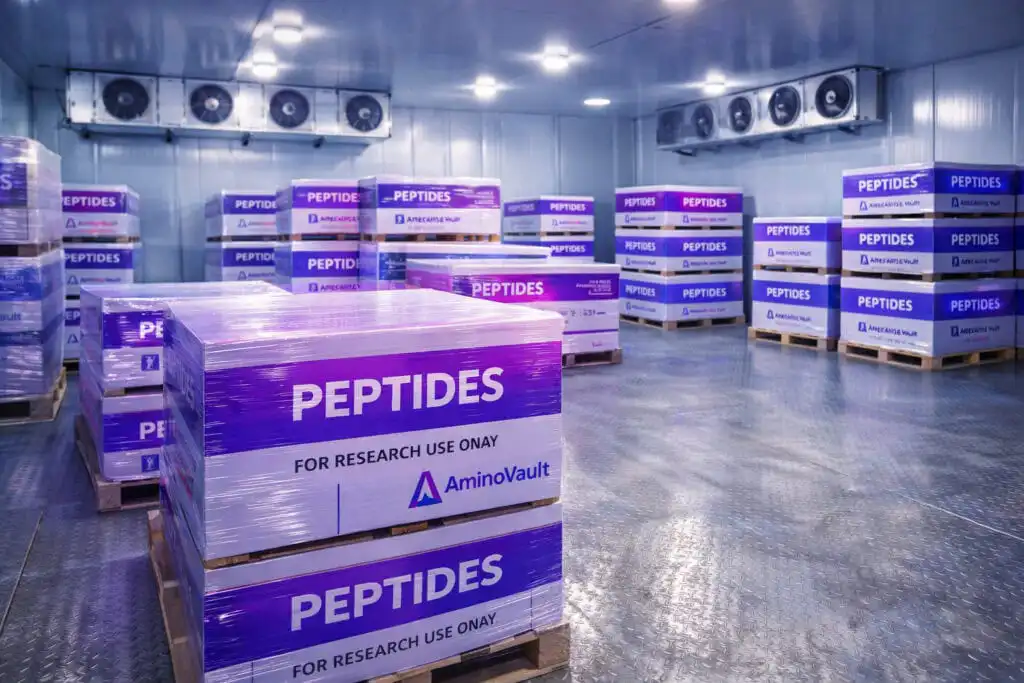
– Storage recommendations: Correct temperature and handling preserve activity. Note any stability data for your specific use case.
Safety and handling reminders
– Follow laboratory safety rules: Use appropriate PPE, manage waste, and prevent exposure to any hazardous substances used alongside peptides.
– Concentration and handling: Start with conservative concentrations in pilot experiments to minimize unintended effects.
– Proper disposal: Dispose of peptide solutions and related materials per your facility’s guidelines. Buy lanreotide peptide For Sale
A quick framework to get started
– Define the objective: What biological question are you answering?
– Choose the peptide format: Linear, modified, or conjugated based on the needs.
– Plan controls: Negative and positive controls to interpret results clearly.
– Establish readouts: What will you measure—binding, activity, localization, or signaling?
– Prepare for replication: Include replicates and independent verification steps.
Peptides For Research Purposes in a broader context
– The field is dynamic: Advances in synthesis, computational design, and delivery expand what’s possible with peptides.
– Interdisciplinary collaboration: Success often comes from chemists, biologists, and data scientists working together.
– Education and training: Hands-on peptide work requires careful instruction in synthesis, handling, and analysis to avoid pitfalls. Buy kpv peptide For Sale
Closing thought
Peptides For Research Purposes offer a nimble, powerful way to interrogate biology, validate targets, and accelerate discovery. With thoughtful design, rigorous controls, and a commitment to quality, peptides can illuminate mechanisms, inform therapeutic strategies, and push science forward—one well-crafted sequence at a time.
